2 hours ago
Latest Updates
Featured Posts
Get in Touch
Location:
123 Innovation Street
Tech District, CA 94105
123 Innovation Street
Tech District, CA 94105
Email:
[email protected]
[email protected]
Phone:
+1 (234) 567-890
+1 (234) 567-890
What's Behind Donor Fathers Producing Hundreds of Kids?
New findings have shed light on a striking pattern: some men are fathering a vast number of children through sperm donation. A particular investigation involved a donor whose donation carried a genetic change that greatly increased the chance of illness for several of his resulting children. Yet even more striking was the scope of this donor's use: his genetic material was understood to be exported to fertility centers in fourteen different nations, leading to at least 197 children.
Such a disclosure offers a rare insight into the growing worldwide donor sperm industry. Fertility assistance enables prospective parents to become mothers when it cannot easily be possible—whether due to a partner's infertility, forming a LGBTQ+ relationship, or opting for solo parenting. Filling this desire has turned into a high-value industry.
A Stringent Selection Criteria
Contrary to common assumptions, few male volunteer makes the cut to be a fertility donor. Reportedly, only about 5 in a hundred applicants ultimately satisfy the required criteria.
The evaluation procedure is extensive and involves multiple tests:
- Concentration: Having a sufficient number of gametes in a donation.
- Swimming Ability: Checking the sperm cells move effectively.
- Structure: Examining the structure of the gametes for normality.
Furthermore, the sample must endure the cryopreservation and defrosting procedure at a fertility bank. A individual who is perfectly fertile and may father children of his own could nevertheless be considered ineligible.
Regulations vary internationally, but frequent criteria include being within a designated age range (e.g., 18-45), being clear of diseases like the HIV virus, and not having specific genetic variants.
This demanding screening creates a limited group of suitable donors. Consequently, in several countries, a significant percentage of fertility samples is brought in from other countries.
Preference and "The Swipe"
From within this limited pool of individuals, certain profiles prove to be much more sought-after than others. This choosing process frequently resembles the reality of modern online dating.
"You know if the donor is Sven and they've got fair hair, and they're over six feet and they play sports, and they are musical and are well-educated—you know that's far more appealing than a donor that is more average," remarks a fertility professor.
Future mothers can frequently access information that include pictures, audio clips, career information, and personal characteristics like tallness and weight. In the end, people are swiping based on desired attributes.
The Global Market in Donations
The country of Denmark has risen as a major exporter for fertility banks. The country has even developed a reputation for producing so-called "Viking babies".
Fertility experts cite a combination of societal and hereditary factors behind this demand. In terms of attitude, donation is reportedly regarded with less social restriction and is often linked with other altruistic acts, like blood donation.
From a hereditary perspective, some contend that specific characteristics common in Danish people are especially sought after. The idea is that these features allow for the mother's own genetic features to be predominant to show in the child.
Cross-Border Regulations and Moral Dilemmas
The possibility for donations to readily travel between countries is a key reason allowing men to have huge numbers of children. Different states enforce their own limits on the number of offspring per donor.
- Some limit the figure of offspring.
- Others restrict the number of mothers, allowing each mother to have multiple children from the one biological father.
But, there is frequently no international registry to stop a particular donor's donations from being used to the maximum number in multiple different nations at the same time. This can lawfully create a scenario where a biological father has dozens of genetic offspring across the globe, often without his consent.
Following to growing worries, suggestions have been put forward for stricter control. Suggestions include:
- Establishing a pan-European or global donor register to log use.
- Implementing a more conservative cap on the amount of recipients a single can assist.
The Individual Repercussions
In addition to the regulatory challenges, there are profound human implications. Children born through donor conception may eventually discover they have hundreds of genetic siblings. Some individuals, this knowledge can be distressing.
Similarly, biological fathers may be have no idea of the full scale of their genetic legacy. The advent of direct-to-consumer DNA testing and social media has enabled it to be far simpler for relatives to connect with genetic family without official channels.
"The ethical questions of using sperm
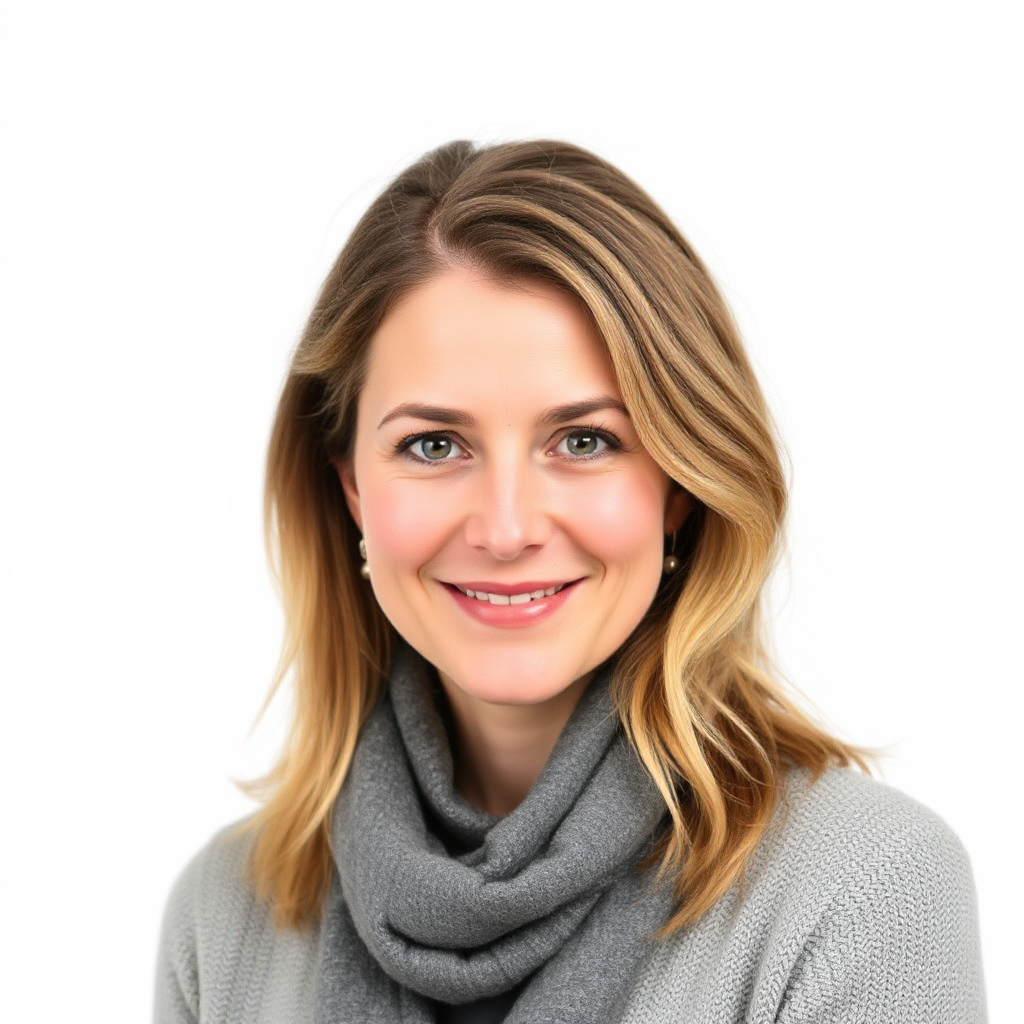
Ryan Duran
Lena Hofmann ist eine erfahrene Journalistin mit Schwerpunkt auf Schweizer Politik und gesellschaftlichen Entwicklungen.
 News
Sponsored News
UK Security Service's Alert on Beijing's Relentless Spying Attempts in the UK
Ryan Duran
03 Oct 2026
Colombia's Leader Warns 'I Shall Take Up Arms Again' if United States Launches an Attack.
Ryan Duran
03 Oct 2026